

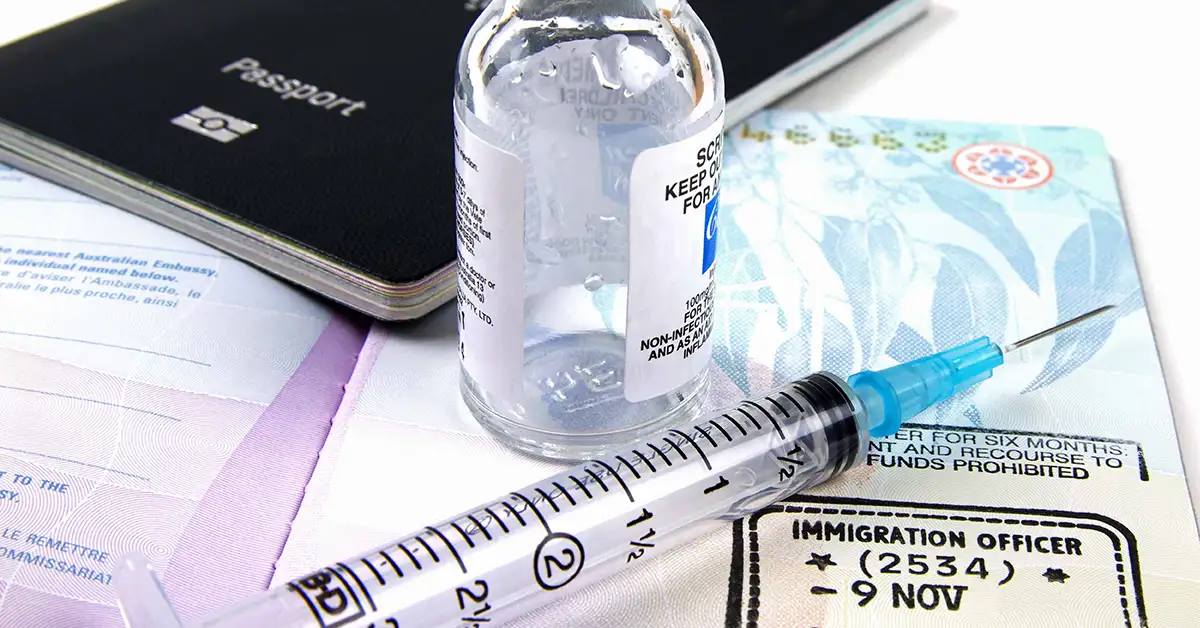
The immigration process requires compliance with extensive vaccination requirements that can create significant challenges for applicants with medical contraindications, religious beliefs, or moral convictions. Understanding your options for immigration vaccine waivers becomes critical when standard vaccination requirements conflict with your circumstances. The stakes are high – improper handling of waiver applications can result in inadmissibility findings that derail your entire immigration case.
As a law firm specializing in vaccine injury cases, we frequently encounter immigration clients whose vaccine-related medical conditions require careful legal navigation. The intersection of immigration law and vaccine injury creates complex legal scenarios that demand specialized expertise to achieve successful outcomes.
What Are Immigration Vaccine Waivers?
Immigration vaccine waivers are legal mechanisms that allow certain applicants to bypass standard vaccination requirements when seeking permanent resident status. The Centers for Disease Control and Prevention (CDC) has established comprehensive vaccination requirements for immigrant visa applicants and adjustment of status applicants, covering vaccine preventable diseases recommended by the Advisory Committee for Immunization Practices. Applicants for lawful permanent residency must receive all age-appropriate and medically appropriate vaccines recommended by the CDC.
During the medical examination conducted by a civil surgeon or panel physician overseas, applicants must demonstrate immunity or receive required vaccinations against specific infectious diseases. These vaccination requirements include protection against vaccine preventable diseases such as measles, mumps, rubella, polio vaccine, tetanus and diphtheria toxoids, pertussis, Haemophilus influenzae type b, hepatitis b, and varicella disease.
The medical examination report, documented on Form I-693, becomes a critical component of your immigration application. When circumstances prevent standard vaccination compliance, waivers provide legal pathways to avoid inadmissibility findings while still protecting public health interests.
Civil surgeons and panel physicians play crucial roles in waiver determinations, as they possess the medical expertise to evaluate whether vaccines are age appropriate, medically contraindicated, or otherwise inappropriate for individual applicants. Their professional judgment, properly documented, can mean the difference between approval and denial of your immigration benefits.
What Types of Vaccine Waivers Are Available?
Blanket Waivers
Blanket waivers represent the most straightforward path to vaccination exemptions and require no separate application form or filing fees. These waivers are granted automatically when the civil surgeon or panel physician determines that specific vaccines are medically inappropriate for the applicant during their medical examination.
The exact nature of blanket waiver eligibility includes several distinct categories. Age-related exemptions apply when vaccines are not age appropriate for the applicant – for instance, certain vaccines are not recommended for young children or elderly applicants according to immunization practices guidelines. Medical contraindications encompass situations where the applicant’s immune system or existing medical conditions make specific vaccines dangerous or ineffective.
Vaccine shortage waivers become relevant during periods when the Health and Human Services Department identifies nationwide shortages of required vaccines. Additionally, insufficient time interval situations may warrant blanket waivers when the medical exam timing doesn’t allow for completion of a complete vaccine series before the immigration deadline.
The civil surgeon documents these circumstances directly on the medical exam form, creating an automatic waiver without requiring additional paperwork or legal remedy desired by the applicant. This streamlined process makes blanket waivers preferable when circumstances support their use.
Religious or Moral Conviction Waivers
Religious or moral conviction waivers operate under significantly more restrictive requirements and demand formal application through Form I-601 with U.S. Citizenship and Immigration Services. These waivers acknowledge that some applicants hold sincere religious belief or moral convictions that oppose vaccinations in all forms. Political, philosophical, scientific, or personal safety objections are not considered valid grounds for a religious or moral waiver.
The applicant must demonstrate that their religious beliefs or moral convictions create genuine opposition to all the vaccines required for immigration – selective objection to certain vaccinations while accepting others disqualifies applicants from this waiver category. USCIS evaluates whether the applicant’s religious beliefs accurately reflect a comprehensive opposition to vaccination rather than mere preference or convenience.
Supporting documentation must include detailed sworn statements explaining the exact nature of the applicant’s beliefs and how required vaccinations would violate those convictions. Letters from religious leaders, members of the applicant’s religious group, and documentation of the recognized religion’s doctrinal positions strengthen these applications considerably. Learn more about religious exemptions to vaccination mandates and how to navigate the requirements. The civil surgeon must document the appropriate waiver reason for each vaccine not given on Form I-693.
The discretionary component of these waivers means that even qualifying applicants may face denial if USCIS determines that granting the waiver is not warranted. This subjective standard creates additional complexity that often requires professional legal guidance to navigate successfully.
How Do You Apply for an Immigration Vaccine Waiver?
The application process varies significantly between blanket waivers and individual waiver requests, creating different procedural requirements and timelines for applicants to follow.
For blanket waivers, the process centers entirely on the medical examination conducted by a qualified civil surgeon or panel physician. During your vaccination assessment, discuss any medical conditions, allergies, or circumstances that might warrant exemptions. Provide complete medical records, including documentation of previous adverse reactions, current medications, and any ongoing treatments that might affect vaccine safety.
The civil surgeon evaluates your circumstances against established medical guidelines and documents appropriate exemptions directly on Form I-693. This creates an immediate waiver without requiring separate applications or fees. However, ensure your medical history is thoroughly documented and that you communicate all relevant health information during the examination. For a medical waiver, the civil surgeon annotates Form I-693 to indicate the medical reasons for an incomplete vaccination record without requiring a separate application.
Individual waiver applications for religious or moral convictions require filing Form I-601 with USCIS, including payment of associated filing fees. The application must include a detailed sworn statement explaining your particular belief system and how required vaccinations violate those convictions. This statement should demonstrate that your beliefs are sincere, longstanding, and create comprehensive opposition to vaccination.
Supporting documentation strengthens your application significantly. Religious exemptions may benefit from letters from clergy members and religious doctrine excerpts, though not required. Evidence of consistent religious practice in all areas of one’s life is important. Moral conviction exemptions require detailed explanations of your beliefs and evidence that your beliefs accurately reflect genuine moral opposition rather than scientific or political disagreement.
The application process typically takes several months, during which USCIS reviews your documentation and may request additional evidence. Legal representation becomes particularly valuable during this period, as experienced attorneys can anticipate USCIS concerns and provide comprehensive responses that strengthen your case.

What Vaccines Can Be Waived for Immigration?
The Immigration Services requirements encompass a comprehensive list of vaccine preventable diseases that change periodically based on Advisory Committee recommendations and public health priorities. Understanding which vaccines are subject to waiver requests helps applicants plan their medical examinations and legal strategies accordingly.
Current required vaccinations include protection against measles, mumps, and rubella (typically administered as MMR vaccination), polio vaccine for age-appropriate applicants, tetanus and diphtheria toxoids combined with pertussis protection, Haemophilus influenzae type b for qualifying age groups, and hepatitis b vaccination for most applicants.
Seasonal influenza vaccination requirements apply during flu season periods, though these requirements may vary based on vaccine availability and current public health recommendations.
Additional vaccines may be required based on age-appropriate recommendations from the Centers for Disease Control. For example, varicella disease (chickenpox) vaccination applies to applicants without evidence of immunity, while hepatitis a vaccination may be required for certain age groups or risk categories.
The Advisory Committee for Immunization Practices regularly updates vaccine recommendations, meaning that requirements can change between your initial medical examination and final immigration processing. Stay informed about current requirements and discuss any changes with your civil surgeon or legal counsel.
School immunization requirements in your intended state of residence may impose additional vaccination obligations beyond immigration requirements. While these don’t directly affect your immigration case, understanding comprehensive vaccination expectations helps with long-term planning and family school attendance considerations.
Can You Get a Partial Vaccine Waiver?
Partial vaccine waivers create complex scenarios with different rules depending on the type of waiver being sought. Understanding these distinctions becomes critical for applicants who may qualify for exemptions from some, but not all, required vaccinations.
For religious or moral conviction waivers, USCIS requires that the applicant opposes vaccinations in any form – partial exemptions are not permitted under this waiver category. An applicant cannot selectively oppose certain vaccines while accepting others based on religious or moral grounds. The belief sincerely held must encompass comprehensive objection to vaccination as a practice.
However, medical exemptions can apply to specific vaccines while allowing others to proceed safely. An applicant might have contraindications to live virus vaccines due to immune system compromise such as during pregnancy while safely receiving inactivated vaccines like tetanus and diphtheria toxoids. The civil surgeon evaluates each required vaccine independently based on the applicant’s medical circumstances.
Previous vaccination history complicates waiver applications but doesn’t automatically disqualify applicants from exemptions. USCIS recognizes that people’s beliefs may evolve over time, and that past vaccination may have occurred under different circumstances or before the development of current convictions. However, applicants must provide credible explanations for any apparent inconsistencies between past behavior and current waiver requests.
The vaccination record review process examines timing, circumstances, and reasons for previous vaccinations. Childhood vaccinations received before developing adult religious convictions generally do not disqualify waiver applications because it is understood that those were not their choices as children, particularly when the applicant provides detailed explanations of their belief development over time.
Medical exemptions require individual evaluation of each vaccine’s appropriateness based on current medical status. A person religious beliefs may support complete exemption, while medical circumstances might warrant selective exemptions based on specific contraindications or adverse reaction history.
How Long Does the Vaccine Waiver Process Take?
Processing timeframes vary significantly between blanket waivers and individual waiver applications. Blanket waivers determined by civil surgeons during medical examinations are immediate – the exemption is documented directly on Form I-693 without additional processing delays.
Individual waiver applications filed through Form I-601 typically require 6-12 months for USCIS processing, though timeframes can vary based on case complexity and current agency workloads. These applications may face requests for additional evidence that extend processing times further.
The timing becomes critical because medical examination reports sometimes have validity periods, and immigration cases often face strict deadlines. Strategic planning with legal counsel helps ensure that waiver applications align with overall immigration case timing and don’t create unnecessary delays or complications.
What Happens If Your Waiver Application Is Denied?
Waiver denials create serious immigration consequences that require immediate legal attention and strategic response planning. Understanding your options after denial helps prevent inadmissibility findings that could permanently affect your immigration status.
The immediate consequence of waiver denial is that you remain subject to the original vaccination requirements. This means you must receive the required vaccines to proceed with your immigration case, unless you can successfully challenge the denial or identify alternative legal strategies.
Appeal options depend on the type of waiver denial and the stage of your immigration process. For individual waivers filed through Form I-601, you may be able to file a motion to reopen or reconsider if new evidence becomes available or if USCIS made legal errors in evaluating your application. This process requires demonstrating that the original decision was incorrect based on the evidence presented or applicable legal standards.
Administrative appeals through the Board of Immigration Appeals may be available in certain circumstances, particularly when waiver denials occur during removal proceedings. These appeals allow for legal challenges to USCIS discretionary decisions and factual determinations that affected your case outcome.
Federal court litigation represents another potential legal remedy when administrative appeals are exhausted or unavailable. Federal courts can review USCIS decisions for legal errors, constitutional violations, or arbitrary and capricious agency action. This litigation pathway requires experienced immigration counsel with federal court practice experience.
Alternative medical evaluations might identify previously unrecognized contraindications or medical circumstances that support blanket waiver determinations. Sometimes different civil surgeons reach different conclusions about medical appropriateness, particularly in complex medical cases involving multiple conditions or medications.
The legal remedy desired should align with your overall immigration strategy and timeline constraints. Some options provide faster resolution but limited scope, while others offer comprehensive review but extended timeframes. Professional legal counsel helps evaluate which approach best serves your specific circumstances.

Can I Get a Vaccine Waiver if I Had a Bad Reaction to Vaccines in the Past?
Previous adverse reactions to vaccines can absolutely support medical exemption requests, particularly when properly documented by qualified medical professionals. If you experienced serious allergic reactions, neurological complications, or other significant adverse events following previous vaccinations, this medical history may contraindicate future vaccinations with similar components.
The key is proper documentation from your health care provider detailing the specific reaction, its timing relative to vaccination, medical treatment required, and current medical recommendations regarding future vaccinations. Some vaccine injuries create permanent medical conditions that make certain vaccines unsafe, while others may contraindicate only specific vaccine types or components.
Our vaccine injury practice frequently coordinates with immigration cases to ensure that previous adverse reactions are properly documented and presented to civil surgeons in ways that support blanket waiver determinations. This specialized legal approach helps prevent situations where legitimate medical exemptions are overlooked or inadequately documented.
What if My Civil Surgeon Refuses to Document a Medical Contraindication?
When civil surgeons disagree with your medical history or contraindication claims, you have several options to address the situation. First, ensure that you’ve provided complete medical records and supporting documentation from your treating physicians. Sometimes civil surgeons need additional information to understand complex medical situations.
Seeking a second opinion from another qualified civil surgeon represents another viable option. Different medical professionals may reach different conclusions about contraindications, particularly in complex cases involving multiple conditions or medications. However, this approach requires additional time and examination fees.
Legal advocacy can help communicate with civil surgeons about medical exemption requirements and standards. Our vaccine injury attorneys understand both the medical and legal aspects of contraindication determinations and can help ensure that qualified medical professionals have complete information needed for accurate assessments.
When Is a Medical Exemption Appropriate?
Medical exemptions become appropriate when an applicant’s health condition creates genuine contraindications to vaccination that pose serious health risks. The Advisory Committee on Immunization Practices provides specific guidance on medical contraindications that civil surgeons must follow when evaluating exemption requests.
Severe immunodeficiency conditions represent one of the most common grounds for medical exemptions. Applicants with compromised immune systems may face serious complications from certain vaccines, particularly live virus vaccines like the MMR vaccination. Documentation from the applicant’s health care provider detailing the specific immunodeficiency and its implications for vaccine safety strengthens these exemption requests.
Previous severe allergic reactions to vaccine components create another category of valid medical exemptions. If an applicant experienced anaphylaxis or other serious allergic reactions to specific vaccine ingredients, continued vaccination could pose life-threatening risks. The vaccination record documenting these adverse reactions, combined with current medical evaluation, supports exemption requests.
Pregnancy restrictions affect certain vaccines that may pose risks to developing fetuses. Pregnant applicants may require temporary deferrals or exemptions from specific vaccines until after delivery. The civil surgeon evaluates these circumstances case-by-case based on current medical guidelines.
Vaccine injury history requires careful documentation and legal analysis. Applicants who have suffered previous vaccine injuries may qualify for medical exemptions, particularly when the injury creates ongoing medical conditions that contraindicate further vaccination. Our vaccine injury law practice frequently coordinates with immigration cases to ensure proper documentation of injury-related exemptions.
Why You Need Legal Representation for Vaccine Waivers
The complexity of immigration vaccine waiver law creates numerous opportunities for costly errors that can derail your immigration case permanently. Professional legal representation becomes essential when navigating the intersection of immigration law, medical evidence, and constitutional rights related to religious freedom.
Medical documentation requirements demand precise compliance with USCIS standards and medical practice guidelines. Civil surgeons must document exemptions using specific language and supporting evidence that meets agency requirements. Inadequate documentation, even when medical exemptions are clearly warranted, can result in denial and require expensive reapplication processes.
Our vaccine injury law practice brings unique expertise to immigration waiver cases involving adverse reactions or medical contraindications. We understand both the medical aspects of vaccine injuries and the legal requirements for documenting exemptions in ways that satisfy USCIS standards. This specialized knowledge proves particularly valuable in complex cases involving multiple medical conditions or previous vaccine injuries.
Discretionary standards applied to religious and moral conviction waivers create unpredictable outcomes that benefit from experienced legal advocacy. Different USCIS officers may apply inconsistent standards to similar cases, making strategic presentation of evidence and legal arguments crucial for success. We know how to structure applications to maximize approval chances while avoiding common pitfalls that lead to denials.
The appeals process for denied waivers requires specialized knowledge of immigration law, administrative procedure, and federal litigation practices. Most applicants lack the legal expertise to effectively challenge unfavorable USCIS decisions or identify viable grounds for federal court review. Professional representation ensures that all available legal remedies are properly pursued when initial waiver applications are unsuccessful.
Disease outbreaks and changing public health requirements create evolving legal landscapes that affect waiver eligibility and requirements. Staying current with these changes while managing your immigration case requires legal expertise that most applicants cannot reasonably acquire independently.
At Siri & Glimstad LLP, our attorneys, paralegals, and support staff are dedicated to helping families seek justice in immigration cases. For help with any aspect of the immigration process or any immigration questions you may have, fill out the form here to schedule a time to speak with a qualified immigration attorney. It has never been more important to have a knowledgeable and compassionate advocate on your side.


