

Hepatitis B Vaccine Injury Attorneys
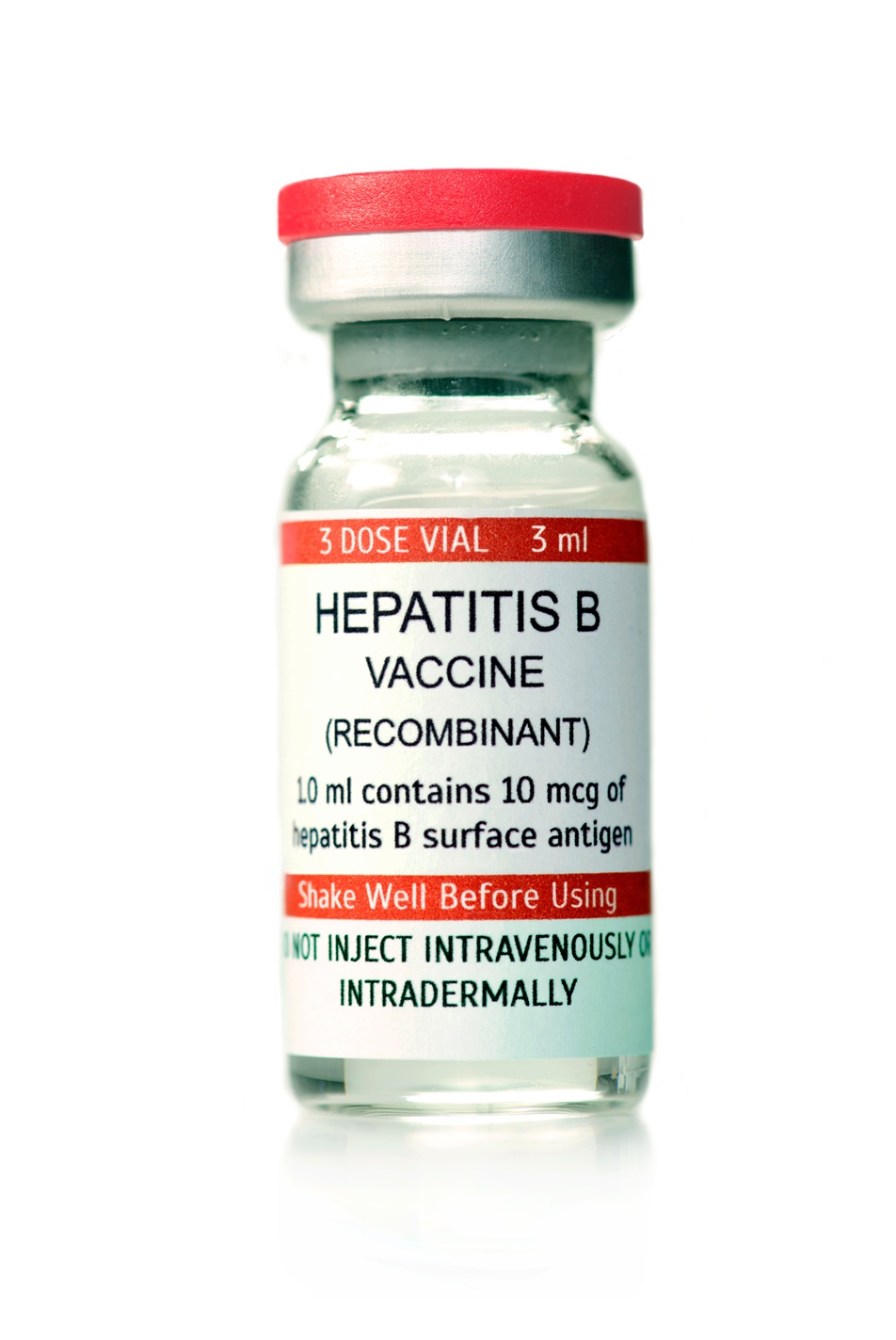
If you or your child suffered a serious reaction after a Hepatitis B vaccine, you may be eligible for financial compensation through the National Vaccine Injury Compensation Program. The vaccine is widely used in the United States, including for newborns, children, adolescents, healthcare workers, adults with certain risk factors, and people receiving vaccination for school, work, travel, or medical reasons.
Here we’ll explain Hepatitis B vaccine reactions, which Hepatitis B vaccine injuries are recognized under the Vaccine Injury Table, how off-table Hepatitis B vaccine injury claims work, what compensation may be available, how the vaccine court process operates, and why choosing an experienced Siri & Glimstad LLP vaccine injury lawyer can make a meaningful difference in your claim.
Common Hepatitis B Vaccine Injuries and Reactions
Hepatitis B vaccines are administered by injection. In many cases, the vaccine is given as part of a routine childhood schedule. Newborns may receive a Hepatitis B vaccine dose shortly after birth. Children may receive additional doses during infancy. Adolescents or adults may receive Hepatitis B vaccination later if they were not previously vaccinated or if they need proof of immunity for school, employment, healthcare work, travel, immigration, or other purposes.
One serious recognized injury is anaphylaxis, a severe allergic reaction that can occur shortly after vaccination. Symptoms may include hives, swelling of the face or throat, difficulty breathing, dizziness, weakness, rapid heartbeat, low blood pressure, or collapse. Anaphylaxis is a medical emergency and should be treated immediately.
Another recognized injury is Shoulder Injury Related to Vaccine Administration, commonly called SIRVA. SIRVA is usually caused by improper injection placement rather than the vaccine ingredients themselves. If a Hepatitis B vaccine is injected too high or too deep into the shoulder, it can injure shoulder structures and cause persistent pain, reduced range of motion, bursitis, tendonitis, adhesive capsulitis, or other shoulder problems.
Fainting after vaccination, known as vasovagal syncope, is also recognized under the Vaccine Injury Table. Fainting may resolve quickly, but the resulting fall can cause serious injuries such as concussion, head trauma, dental injury, fracture, or soft tissue damage, which causes lasting sequela.
Some Hepatitis B vaccine injury claims involve conditions that are not listed on the Vaccine Injury Table. These may include neurological, immune-mediated, inflammatory, allergic, or pain-related conditions related to vaccine administration. These claims may still be possible to bring, but they require additional proof, such as a medical expert opinion.
$5,256,660,556
Total Vaccine Injury Awards from the
Vaccine Injury Compensation Program*
Act now! Injury cases must be filed within 3 years! Death cases within 2 years!
*As of April 1, 2024
Hepatitis B Injuries Recognized Under the Vaccine Injury Table
The Vaccine Injury Compensation Program uses a Vaccine Injury Table that lists certain injuries presumed to be caused by covered vaccines if they occur within specific timeframes. If your injury meets the Table definition and timing requirement, causation is generally presumed, which can make the claim easier to prove.
The current Vaccine Injury Table for Hepatitis B vaccines includes the following injuries and corresponding onset time windows:
|
Injury (Table Injury) |
Timeframe After Hepatitis B Vaccination |
|
Anaphylaxis |
Within 4 hours |
|
SIRVA (Shoulder Injury Related to Vaccine Administration) |
Within 48 hours |
|
Vasovagal syncope |
Within 1 hour |
If your injury fits one of these categories and first appeared within the required timeframe, it may be considered an “on-table” Hepatitis B vaccine injury. In an on-table case, the VICP generally presumes that the vaccine caused the injury unless another cause is shown.
This presumption can be important. A person with a documented severe allergic reaction within hours of vaccination, persistent shoulder pain beginning within 48 hours, or a fainting-related injury within one hour may not need to prove causation in the same way required for an off-table claim.
However, the Table does not mean every post-vaccination symptom qualifies. A claim must still meet the VICP’s severity requirement. In most cases, the injury must last more than six months, require hospitalization and surgery, or result in death. Mild arm soreness, temporary fatigue, low-grade fever, or a brief headache usually will not qualify.
It is also important to identify the exact vaccine received. Some people receive a standalone Hepatitis B vaccine. Others receive a combination vaccine, such as a Hepatitis A/Hepatitis B combination vaccine or a pediatric combination vaccine that includes Hepatitis B along with other components. When a combination vaccine is involved, the legal analysis may include more than one vaccine category and more than one possible Table entry.

Off-Table Claims for Hepatitis B Vaccine Injuries
Not every injury following a Hepatitis B vaccine is listed on the Vaccine Injury Table. If your condition is not listed, or if your symptoms began outside the Table timeframe, you may still be able to file an off-table vaccine injury claim. In an off-table case, causation is not presumed. Instead, you must prove through medical evidence that the vaccine more likely than not caused or significantly aggravated the injury.
Off-table Hepatitis B vaccine claims may involve serious neurological, immune-mediated, inflammatory, allergic, or pain-related conditions. Examples sometimes evaluated in vaccine injury cases include Guillain-Barré Syndrome, transverse myelitis, acute disseminated encephalomyelitis, neuropathy, complex regional pain syndrome, seizure-related complications, chronic inflammatory conditions, or a significant worsening of a pre-existing condition.
These conditions are not automatically presumed to be caused by the Hepatitis B vaccine. The fact that symptoms began after vaccination is not enough by itself, as is the case with a Table injury. An off-table claim must be supported by medical records, a reliable medical theory, appropriate timing, diagnostic evidence, and a logical explanation showing why the vaccine is more likely than another cause.
Off-table claims often require expert support. A medical expert may need to explain how the vaccine could cause the condition, why the timing makes medical sense, why the diagnosis is supported by the records, and why other explanations are less likely. The government may challenge the diagnosis, timing, medical theory, or connection between the vaccine and the injury.
A Hepatitis B vaccine attorney can review your vaccination record, medical timeline, diagnostic testing, specialist evaluations, and treatment history to determine whether an off-table claim has a reasonable basis.

Vaccine Injury Medical
Professionals On Staff

Your Doctors & Nurses
Are NOT Sued
Combination Hepatitis B Vaccines and Claim Review
Hepatitis B vaccination can occur in several forms. Some people receive a standalone Hepatitis B vaccine. Others receive a combination product.
Adults may receive a combined Hepatitis A and Hepatitis B vaccine. Children may receive pediatric combination vaccines that include Hepatitis B along with other vaccine components, such as diphtheria, tetanus, pertussis, polio, or Hib. Newborns usually receive Hepatitis B alone, but later childhood doses may be part of combination vaccination.
This matters because the Vaccine Injury Table may apply differently depending on the exact product. For example, a combination vaccine containing tetanus toxoid or pertussis components may involve additional Table provisions beyond the Hepatitis B section. A claim involving a Hepatitis A/Hepatitis B combination vaccine may need to consider both vaccine categories.
Patients often do not know the exact vaccine brand or formulation. A parent may remember only that the child received routine infant vaccines. An employee may remember being required to get a Hep B shot for work. A student may only have an immunization record showing vaccine dates. An attorney can help obtain and interpret the records to identify the exact vaccine, injection site, lot information, and other vaccines given at the same appointment.
Compensation Available Through VICP for Hepatitis B Vaccine Injuries
If you qualify under the Vaccine Injury Compensation Program, you may be able to recover compensation for the financial and personal impact of the injury. The available compensation may include:
- Medical and Rehabilitation Expenses: The VICP can compensate past and future medical expenses related to the vaccine injury. This may include emergency care, hospital bills, doctor visits, specialist appointments, diagnostic testing, physical therapy, occupational therapy, surgery, medications, injections, medical equipment, home health care, and long-term care needs. There is no fixed cap on reasonable vaccine-related medical expenses.
- Lost Income and Benefits: If your Hepatitis B vaccine injury caused you to miss work or reduced your ability to earn a living, the VICP may compensate lost wages and lost future earning capacity. This can include missed work during treatment, reduced hours, job loss, a permanent inability to return to prior employment, or reduced future earnings. For a child with a serious long-term injury, future lost earnings may also be considered.
- Pain and Suffering: The VICP recognizes physical pain, emotional distress, and loss of enjoyment of life caused by vaccine injuries. Pain-and-suffering damages are capped by law at $250,000. The amount depends on the severity of the injury, duration of symptoms, treatment required, level of impairment, and effect on daily life.
- Death Benefit: If a vaccine-related injury results in death, the VICP provides a statutory death benefit of $250,000. The program may also compensate eligible medical expenses and funeral or burial costs.
- Attorneys’ Fees and Costs: One of the major benefits of the VICP is that reasonable attorneys’ fees and legal costs are paid separately by the program, as long as the claim is filed in good faith and with a reasonable basis. This means your attorney’s fees do not come out of your compensation award.
The value of a Hepatitis B vaccine injury claim depends on the facts. A SIRVA claim involving months of shoulder treatment may have a different value than a fainting-related head injury, a severe allergic reaction, or a complex off-table neurological condition. An experienced vaccine injury attorney can review the records, determine which damages categories apply, and help document the full value of the claim.
From Our Vaccine Injury Clients
Why Choose Siri & Glimstad for Your Hepatitis B Vaccine Injury Claim
When you are dealing with a possible vaccine injury, you need a legal team that understands the specialized federal process. Vaccine injury claims are not ordinary personal injury lawsuits. They are handled in the U.S. Court of Federal Claims under unique rules, deadlines, evidentiary standards, and medical causation requirements.
Siri & Glimstad has a nationally recognized vaccine injury practice dedicated to representing individuals and families in VICP claims. Our attorneys understand the Vaccine Injury Table, the distinction between table and off-table claims, and the medical evidence needed to support compensation.
Key reasons to trust Siri & Glimstad with your Hepatitis B vaccine injury claim include:
- Extensive VICP Experience: Our vaccine injury attorneys handle claims involving many different vaccines and injury types. We understand how to evaluate whether a Hepatitis B vaccine injury fits the Table, whether an off-table theory may be viable, and what evidence is needed to support compensation.
- Knowledge of Vaccine-Specific Issues: Hepatitis B vaccine claims may involve newborn vaccination, pediatric combination vaccines, adult occupational vaccination, school requirements, travel vaccination, or Hepatitis A/Hepatitis B combination products. We review the exact vaccine, injection site, timing of symptoms, medical diagnosis, and treatment course to determine the strongest path forward.
- No Out-of-Pocket Legal Fees: You do not pay our fees from your compensation. The VICP pays reasonable attorneys’ fees and case costs separately, so pursuing a claim does not require you to take on the financial risk of hourly legal bills.
- Compassionate Client Support: A serious vaccine reaction can be frightening, especially when the injured person is a baby or child. We guide clients through the process, gather records, answer questions, and move the claim forward while clients focus on recovery.
- Nationwide Representation: VICP claims are federal claims. Siri & Glimstad can represent clients throughout the United States, regardless of where the vaccine was administered or where the client lives.
Choosing the right vaccine injury lawyer can affect the outcome of your claim. With Siri & Glimstad, you get a team that understands vaccine court and is committed to helping injured individuals pursue the compensation available under federal law.
Frequently Asked Questions
How do I file a claim for a Hepatitis B vaccine injury?
A Hepatitis B vaccine injury claim is filed by submitting a petition to the U.S. Court of Federal Claims. The petition identifies the vaccine, the date of vaccination, the injury, the timing of symptoms, and the basis for compensation under the VICP.
Supporting records are essential. These may include vaccination records, pediatric records, pharmacy records, employee health records, school immunization records, emergency room records, hospital records, specialist evaluations, diagnostic testing, imaging, therapy records, and documentation of missed work or school. An attorney can help gather and organize these records before filing.
Once filed, the claim is reviewed by federal officials and assigned to a special master, who oversees the vaccine court process. The case may involve additional record requests, expert reports, settlement negotiations, or, in contested cases, a hearing.
Can parents file a Hepatitis B vaccine injury claim for a child?
Yes. Parents or legal guardians can file VICP claims on behalf of minor children. This is especially important for Hepatitis B vaccine claims because the vaccine is often given during infancy, including shortly after birth.
Parents should preserve vaccination records, newborn records, pediatric notes, emergency records, hospital records, specialist evaluations, lab results, therapy records, daycare or school documentation, and any notes showing when symptoms began. Even if the diagnosis took time to develop, the first symptom date is important for the filing deadline.
What if the Hepatitis B vaccine was given at birth?
A birth-dose Hepatitis B vaccine can still be covered by the VICP if the claim meets the program’s requirements. These cases require careful review because newborn medical records may also contain information about birth history, prenatal issues, newborn screening, hospital observations, and other medical factors.
The records should be reviewed to determine the exact vaccine date and time, when symptoms first appeared, what medical findings were documented, and whether another explanation is more likely. A vaccine injury lawyer can help gather and evaluate the relevant newborn and pediatric records.
What if I received the Hepatitis B vaccine for work or school?
Hepatitis B vaccination is commonly required or recommended for healthcare workers, students in certain programs, employees with exposure risk, and others. A work-related or school-related vaccination can still qualify for a VICP claim if the vaccine is covered and the injury meets the program’s requirements.
Important records may include employee health records, occupational health forms, pharmacy records, school immunization records, clinic notes, and documentation showing when symptoms began and how the injury affected work or school.
What if I received a combination Hepatitis A and Hepatitis B vaccine?
Some people receive a combination vaccine that protects against both Hepatitis A and Hepatitis B. If a serious injury followed a combination product, the claim should be reviewed under all potentially applicable vaccine categories.
This can matter because the Table entries for Hepatitis A and Hepatitis B are not identical. The exact vaccine product, timing of symptoms, and diagnosis should be reviewed before deciding which legal theory applies.
Is SIRVA after a Hepatitis B vaccine covered?
Yes, SIRVA is listed on the Vaccine Injury Table for Hepatitis B vaccines when symptoms begin within the required 48-hour window. SIRVA usually involves shoulder pain and reduced range of motion limited to the shoulder where the vaccine was administered.
A successful claim must still meet the Table definition and the program’s severity requirement. Medical records, injection-site documentation, imaging, physical therapy notes, and records showing when shoulder pain began may be important evidence.
Is anaphylaxis after a Hepatitis B vaccine covered?
Yes. Anaphylaxis is listed on the Vaccine Injury Table for Hepatitis B vaccines when it occurs within 4 hours of vaccination. Anaphylaxis is a severe allergic reaction that may involve hives, swelling, difficulty breathing, low blood pressure, rapid heartbeat, dizziness, weakness, or collapse.
Because anaphylaxis is a medical emergency, immediate treatment records are often important. Emergency records, ambulance records, medication records, and follow-up care documentation can help support the claim.
What if my symptoms started days or weeks after a Hepatitis B vaccine?
A delayed onset does not automatically disqualify a claim, but it may mean the claim is not an on-table claim. The listed Table injuries for Hepatitis B vaccines have short onset windows. If symptoms began days or weeks later, the claim may need to be evaluated as an off-table claim.
Off-table claims require medical evidence showing that the vaccine more likely than not caused or significantly aggravated the condition. This often requires expert review, especially for neurological or immune-mediated conditions.
Do I have to sue the doctor, pharmacy, hospital, or vaccine manufacturer?
No. A VICP claim is not a traditional lawsuit against the provider or manufacturer. The claim is filed in the U.S. Court of Federal Claims, and the respondent is the Secretary of Health and Human Services, represented by government attorneys.
This no-fault structure allows qualifying injured individuals to pursue compensation without proving negligence by a doctor, hospital, pharmacy, clinic, employer, school, or manufacturer.
How long do I have to file a Hepatitis B vaccine injury claim?
For most vaccine injury claims, the deadline is three years from the first symptom or manifestation of the injury. This is not always the same as the date of vaccination. For example, if shoulder pain began the day after a Hepatitis B shot and continued for months, the filing deadline would generally be measured from the date the shoulder pain first appeared.
For death claims, the deadlines are shorter and more complicated. Missing the filing deadline can prevent recovery entirely, so it is important to seek legal review as soon as possible.

Content Reviewed by: Christopher Williams – Vaccine Injury Lawyer
Mr. Williams devotes his practice to claims brought under the National Vaccine Injury Compensation Program, successfully litigating and resolving a variety of vaccine injury claims, including shoulder injury related to vaccine administration (SIRVA), Guillain-Barré syndrome, brachial neuritis, transverse myelitis, and other vaccine-related injuries. He holds a Juris Doctor from Syracuse University College of Law.
This page was last updated on: September 9, 2026
Injured By A Vaccine?
CONTACT US TODAY TO SEE IF YOU’RE ELIGIBLE FOR COMPENSATION
No Out-Of-Pocket Cost for Representation
1-509-VACCINE
(822-2463)


