

Pneumonia (Pneumococcal) Vaccine Injury Attorneys
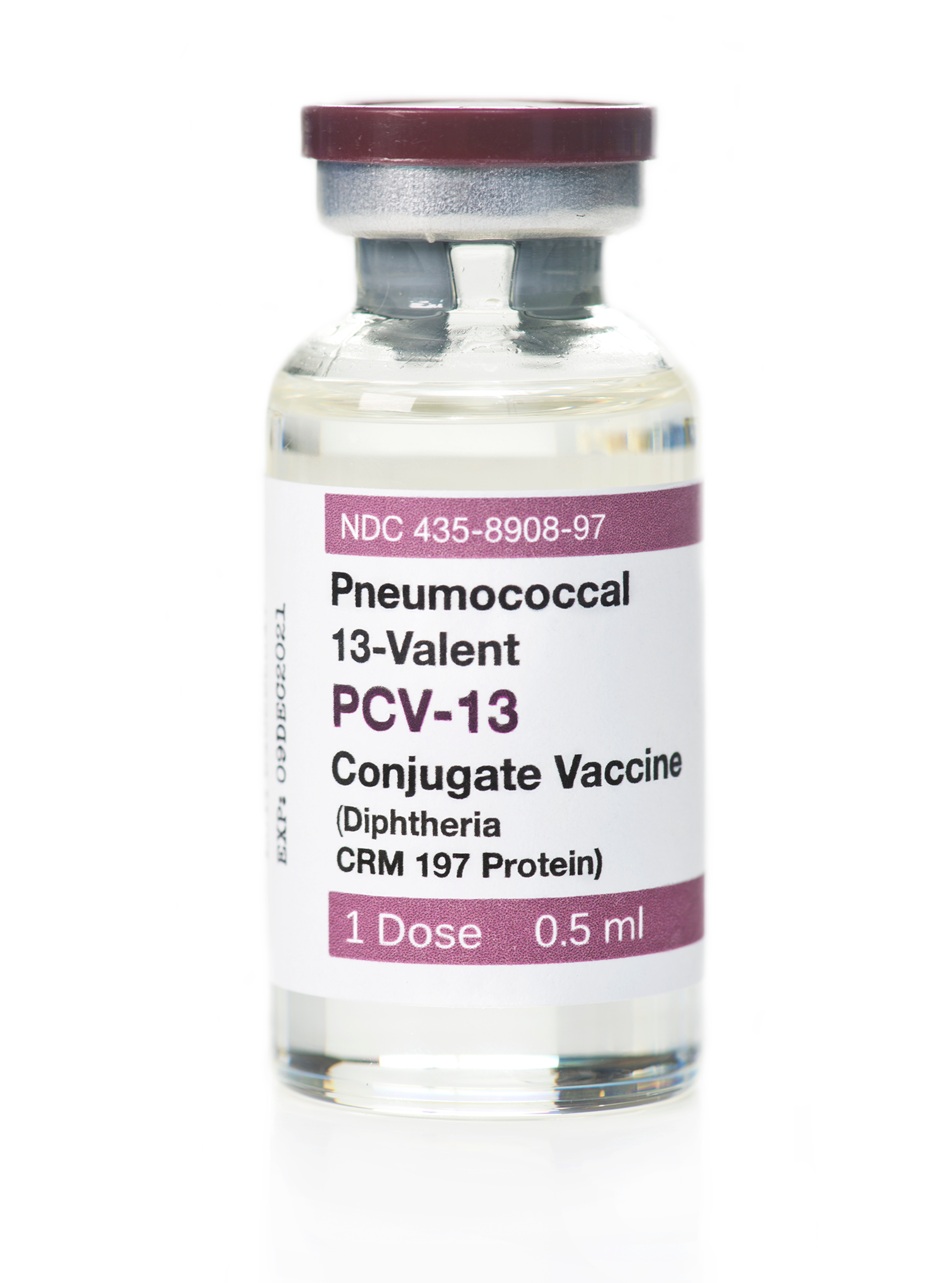
If you or your child suffered a serious reaction after a pneumococcal conjugate vaccine, commonly referred to as a PCV vaccine or pneumonia shot, you may qualify for compensation through the National Vaccine Injury Compensation Program.
The term “pneumonia vaccine” can refer to different vaccines, so it is important to know which one was administered. The VICP covers pneumococcal conjugate vaccines, often abbreviated as PCV. These include vaccines used in routine childhood vaccination and certain adult vaccination settings. Pneumococcal polysaccharide vaccines, often abbreviated as PPSV or PPV, are different and are not covered by the VICP. A careful review of the vaccination record is necessary before determining whether a claim belongs in the VICP.
A pneumococcal vaccine injury claim is not a traditional lawsuit against your doctor, pediatrician, pharmacy, clinic, nurse, or vaccine manufacturer. Instead, eligible claims are filed through a specialized federal vaccine court process. A qualified PCV vaccine injury attorney can review the records, identify whether the injury is on-table or off-table, determine whether the correct vaccine is covered, and help pursue compensation for medical expenses, lost income, pain and suffering, and other recoverable damages.
Who Receives the PCV Vaccine and When?
Pneumococcal conjugate vaccines are commonly given to infants and young children as part of the routine childhood immunization schedule. Because of this, many potential PCV injury claims involve parents filing on behalf of a child.
PCV vaccines may also be recommended for older children, adults, and people with certain health conditions or risk factors. Some adults receive a PCV vaccine because of age, medical history, immune status, or other risk-based recommendations. In those situations, the vaccine may be administered at a doctor’s office, pharmacy, clinic, hospital system, workplace clinic, or public health location.
Because patients often use the general phrase “pneumonia shot,” the exact vaccine product matters. A record may show PCV, PCV13, PCV15, PCV20, PCV21, or another pneumococcal conjugate vaccine product. A different record may show PPSV23, Pneumovax 23, PPV, or pneumococcal polysaccharide vaccine. These are not the same for VICP purposes. PCV is the key pneumococcal vaccine category covered by the VICP, while PPSV/PPV products are not covered by the VICP.
This distinction is especially important for adults. Some adults may receive a conjugate vaccine, a polysaccharide vaccine, or both at different times. If an injury followed a pneumococcal vaccine, the first step is confirming which vaccine was given, on what date, in which arm, and whether any other vaccines were administered at the same appointment.
If you or your child experienced unusual symptoms after a PCV vaccine, the timeline is important. The vaccination date, the exact vaccine product, the injection site, the first symptom date, the diagnosis, the duration of symptoms, and the treatment received can all affect whether a claim is viable.
$5,256,660,556
Total Vaccine Injury Awards from the
Vaccine Injury Compensation Program*
Act now! Injury cases must be filed within 3 years! Death cases within 2 years!
*As of April 1, 2024
Injuries from PCV Vaccines That May Qualify for Compensation
The Vaccine Injury Table lists certain injuries that are presumed to be caused by pneumococcal conjugate vaccines if they experience onset of adverse symptoms within specific timeframes. These are called “on-table” injuries. If a claim meets the Table definition and timing requirement, causation of a vaccine injury is generally presumed, which can make the claim easier to prove.
For pneumococcal conjugate vaccines, the current Vaccine Injury Table includes:
|
Injury |
Typical Onset After PCV Vaccination |
|
Shoulder Injury Related to Vaccine Administration (SIRVA) |
Within 0–48 hours |
|
Vasovagal syncope |
Within 0–1 hour |
What do these injuries mean in plain language?
- Shoulder Injury Related to Vaccine Administration, or SIRVA, occurs when a vaccine injection injures the structures of the shoulder. SIRVA is usually related to injection placement rather than the vaccine ingredients themselves. If the shot is placed too high or too deep in the shoulder, it can cause persistent pain, limited range of motion, bursitis, tendonitis, adhesive capsulitis, or other shoulder problems. For a Table claim, symptoms generally must begin within 48 hours of vaccination and be limited to the shoulder where the vaccine was administered.
- Vasovagal syncope means fainting after vaccination or another medical procedure. Fainting may last only a short time, but a fall can cause serious injuries such as concussion, head trauma, dental injury, fracture, or soft-tissue trauma. If syncope occurs within one hour of vaccination and causes a serious injury, the VICP may apply.
These are the current PCV-specific injuries listed on the Vaccine Injury Table. Other serious reactions, including severe allergic reactions, neurological symptoms, immune-mediated conditions, or worsening of pre-existing conditions, may still require legal review, but they generally must be evaluated as off-table claims unless another vaccine administered at the same visit creates a different Table theory.
A claim must also meet the VICP’s severity requirement. In most cases, this means that a petitioner’s vaccine injury must last more than six months, require hospitalization and surgery, or result in death. A mild sore arm, brief fever, temporary fussiness, or short-lived fatigue usually will not qualify. A shoulder injury persisting for months, an injury sustained during a fainting-related fall, or a serious off-table condition with lasting sequela may justify a closer review.

Off-Table PCV Vaccine Injury Claims
Not every serious reaction after a PCV vaccine is listed on the Vaccine Injury Table. If your condition is not listed, or if your symptoms began outside the listed timeframe, you may still be able to pursue an off-table vaccine injury claim. In an off-table case, causation is not presumed. Instead, the injured person must prove through medical evidence that the PCV vaccine more likely than not caused or significantly aggravated the injury.
Off-table PCV claims may involve serious allergic, neurological, immune-mediated, inflammatory, or pain-related conditions. Examples of such off-table vaccine injury claims include severe allergic reactions, Guillain-Barré Syndrome, transverse myelitis, acute disseminated encephalomyelitis, neuropathy, complex regional pain syndrome, seizure-related complications, or a significant worsening of a pre-existing condition. These conditions are not automatically presumed to be caused by PCV vaccination, but they may still be compensable if the evidence supports causation.
Off-table claims are more difficult because the government may dispute the diagnosis, timing, medical theory, severity, or causal connection. Medical records must show more than the fact that symptoms occurred after vaccination. A successful claim generally requires the support of a medical expert, who in turn presents a reliable medical theory, a logical sequence of cause and effect, appropriate timing, and evidence that other causes are less likely.
Expert witnesses may be needed. An expert may explain how the vaccine could cause the condition, why the timing makes medical sense, why the diagnosis fits the records, and why alternative explanations are less persuasive. This is especially important when the injury involves a complex neurological or immune-mediated diagnosis.
Off-table analysis can also be complicated when PCV was given during the same visit as other vaccines. In pediatric care, PCV may be administered with DTaP, IPV, Hib, hepatitis B, rotavirus, influenza, or other vaccines. In adult care, PCV may be administered during the same appointment as flu, COVID-19, RSV, shingles, Tdap, or other vaccines. Some of these vaccines may fall under different compensation programs or different Vaccine Injury Table entries. A careful record review is necessary to determine the correct claim pathway.

Vaccine Injury Medical
Professionals On Staff

Your Doctors & Nurses
Are NOT Sued
What About PPSV23 or Other Pneumococcal Vaccines?
Many people use the term “pneumonia shot” to describe both PCV and PPSV23. For VICP purposes, this distinction is critical. Pneumococcal conjugate vaccines, or PCV vaccines, are covered by the VICP. Pneumococcal polysaccharide vaccines, often called PPSV23, PPV23, or Pneumovax 23, are not VICP-covered vaccines.
This does not mean that an injury after PPSV23 is unimportant or that medical care should not be pursued. It means the claim may not belong in the National Vaccine Injury Compensation Program. Depending on the facts, another legal or compensation framework may need to be considered. For a PCV landing page, the key point is that the vaccination record must be reviewed before assuming the claim is VICP-eligible.
If you received more than one pneumococcal vaccine, or if you do not know whether you received PCV or PPSV, an attorney can help obtain the relevant records. These may come from a pharmacy, doctor’s office, hospital system, employer clinic, public health agency, or state immunization registry.
What Compensation Is Available for a PCV Vaccine Injury?
Filing a pneumococcal conjugate vaccine injury claim is about securing financial support for the consequences of a serious vaccine injury. Compensation through the VICP may include several categories.
- Medical Expenses: The VICP can compensate past and future medical costs related to the vaccine injury. This may include emergency treatment, hospital care, doctor visits, specialist appointments, diagnostic testing, physical therapy, occupational therapy, medications, injections, surgery, assistive devices, home health care, and long-term care needs. There is no fixed cap on reasonable vaccine-related medical expenses.
- Lost Income: If the injury caused missed work, reduced hours, job loss, or a reduced ability to earn a living, the VICP may compensate lost wages and lost future earning capacity. If the injured person is a child and the injury causes long-term impairment, future lost earnings may be considered once the child reaches working age.
- Pain and Suffering: The VICP allows compensation for physical pain, emotional distress, and loss of enjoyment of life caused by the vaccine injury. This category is capped by law at $250,000. The amount depends on the severity of the injury, duration of symptoms, medical treatment required, permanent limitations, and impact on daily life.
- Death Benefit: If a vaccine-related injury results in death, the VICP provides a statutory death benefit of $250,000. The program may also compensate certain related medical and funeral expenses.
- Attorneys’ Fees and Costs: You do not pay your vaccine injury lawyer out of your compensation. Reasonable attorneys’ fees and legal costs are paid separately by the VICP as long as the claim is filed in good faith and with a reasonable basis. This means hiring a vaccine injury attorney does not reduce the compensation awarded for your injury.
Every case is different. A SIRVA claim may involve months of shoulder pain, imaging, injections, physical therapy, or surgery. A fainting-related injury may involve a concussion, dental injury, fracture, or other trauma. A complex off-table claim may involve hospitalization, specialist care, expert reports, and long-term damages. A lawyer can review the facts and help document the full value of the claim.
From Our Vaccine Injury Clients
How Siri & Glimstad Can Help with Your PCV Vaccine Injury Claim
A possible pneumococcal vaccine injury can be confusing from the start because the phrase “pneumonia shot” is often used for different vaccines. Some patients receive PCV. Others receive PPSV23. Some receive both at different times. Children may receive PCV during a routine immunization appointment with several other vaccines, while adults may receive PCV at a pharmacy or clinic along with another recommended vaccine.
Siri & Glimstad helps clients evaluate and pursue vaccine injury claims through the VICP. Our vaccine injury attorneys understand the Vaccine Injury Table, the difference between PCV and PPSV, the difference between on-table and off-table claims, and the specialized procedures used in the U.S. Court of Federal Claims.
Our team can help with PCV vaccine injury claims by:
- Reviewing the vaccination record to determine whether the vaccine was a pneumococcal conjugate vaccine covered by the VICP.
- Identifying whether the record shows PCV, PPSV23, PPV, Pneumovax 23, or another pneumococcal product.
- Evaluating whether the injury fits an on-table category such as SIRVA or vasovagal syncope.
- Determining whether an off-table theory may be viable for severe allergic, neurological, immune-mediated, inflammatory, or pain-related conditions.
- Reviewing whether other vaccines were administered at the same appointment and whether they affect the legal analysis.
- Obtaining medical records, pharmacy records, pediatric records, immunization registry records, emergency records, hospital records, imaging, therapy records, specialist records, school records, work records, and other documentation.
- Working with qualified medical experts when expert reports are needed.
- Preparing and filing the petition in the U.S. Court of Federal Claims.
- Communicating with the government attorneys and the special master assigned to the case.
- Documenting the full extent of damages, including medical expenses, lost income, pain and suffering, and future care needs.
The VICP is a specialized process. The government is represented by attorneys, and complex claims often require detailed medical evidence. Having an experienced vaccine injury lawyer can help protect your filing deadline, avoid mistakes, and present the strongest possible claim.
Frequently Asked Questions
Is the pneumonia shot covered by the VICP?
It depends on which “pneumonia shot” you received. Pneumococcal conjugate vaccines, or PCV vaccines, are covered by the VICP. Pneumococcal polysaccharide vaccines, such as PPSV23 or PPV23, are not covered by the VICP.
Because many people do not know the exact product they received, an attorney should review the vaccination record. The record may list PCV, PCV13, PCV15, PCV20, PCV21, PPSV23, PPV23, Pneumovax 23, or another product name.
What if my child received PCV with several other vaccines?
That is common. PCV is often administered during routine pediatric visits with other vaccines. If the child suffered a serious reaction, the legal analysis should consider all vaccines administered at that appointment, the injection site for each shot, and the timing of symptoms.
A claim involving shoulder pain may depend on which arm or leg received which vaccine. A claim involving neurological or allergic symptoms may require broader review of the full vaccine visit. An attorney can obtain the immunization record and determine which legal theories may apply.
Can adults file PCV vaccine injury claims?
Yes. Adults may file VICP claims if they received a covered pneumococcal conjugate vaccine and meet the program’s other requirements. The key is confirming that the vaccine was PCV rather than PPSV/PPV.
Adults should preserve pharmacy records, doctor’s office records, immunization registry entries, after-visit summaries, lot information if available, emergency records, specialist records, therapy records, work records, and any documentation showing when symptoms began.
What if I received PPSV23 instead of PCV?
PPSV23, also known as pneumococcal polysaccharide vaccine, PPV23, or Pneumovax 23, is not covered by the VICP. If the vaccination record shows PPSV23 only, the claim likely does not belong in the National Vaccine Injury Compensation Program.
However, some people receive PCV and PPSV at different times, and records are sometimes unclear. Before reaching a conclusion, the vaccination history should be reviewed carefully to confirm the exact vaccine and date.
What if my symptoms started days or weeks after a PCV shot?
A delayed onset does not automatically disqualify a claim, but it may mean the claim is not an on-table claim. The listed Table injuries for PCV have short onset windows. If symptoms began days or weeks later, the claim may need to be evaluated as an off-table claim.
Off-table claims require medical evidence showing that the vaccine more likely than not caused or significantly aggravated the condition. This often requires expert review, especially for neurological or immune-mediated conditions.
How long do I have to file a PCV vaccine injury claim?
For most vaccine injury claims, the deadline is three years from the first symptom or manifestation of the injury. This is not always the same as the date of vaccination. For example, if shoulder pain began the day after a PCV shot and continued for months, the filing deadline would generally be measured from the date the shoulder pain first appeared.
For death claims, the deadlines are shorter and more complicated. Missing the filing deadline can prevent recovery entirely, so it is important to seek legal review as soon as possible.
Do I have to sue my doctor, pharmacy, or vaccine manufacturer?
No. A VICP claim is not a traditional lawsuit against the vaccine provider or manufacturer. The claim is filed in the U.S. Court of Federal Claims, and the respondent is the Secretary of Health and Human Services, represented by government attorneys.
This no-fault structure allows qualifying injured individuals to pursue compensation without proving negligence by a doctor, pediatrician, clinic, pharmacy, or manufacturer.
Do I have to pay anything to hire a PCV vaccine injury lawyer?
In most VICP cases, you do not pay attorneys’ fees out of pocket. The program pays reasonable attorneys’ fees and legal costs separately from your compensation, as long as the claim has a reasonable basis and is filed in good faith. This means your legal fees do not come out of your award.
This fee structure allows injured individuals and families to obtain experienced representation without paying hourly fees or losing a percentage of the compensation awarded for the injury.

Content Reviewed by: Christopher Williams – Vaccine Injury Lawyer
Mr. Williams devotes his practice to claims brought under the National Vaccine Injury Compensation Program, successfully litigating and resolving a variety of vaccine injury claims, including shoulder injury related to vaccine administration (SIRVA), Guillain-Barré syndrome, brachial neuritis, transverse myelitis, and other vaccine-related injuries. He holds a Juris Doctor from Syracuse University College of Law.
This page was last updated on: September 9, 2026
Injured By A Vaccine?
CONTACT US TODAY TO SEE IF YOU’RE ELIGIBLE FOR COMPENSATION
No Out-Of-Pocket Cost for Representation
1-509-VACCINE
(822-2463)


