

DTaP and TDaP Vaccine Injury Attorneys
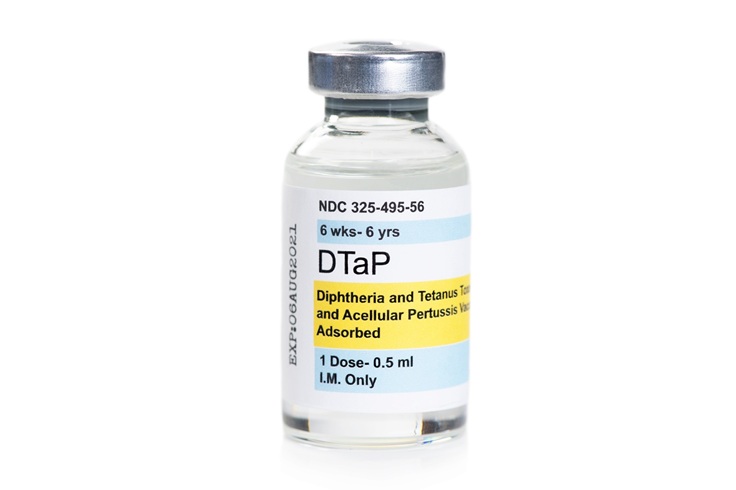
If you suffered a serious reaction after a DTaP or Tdap vaccine, you may qualify for compensation through the Vaccine Injury Compensation Program. DTaP and Tdap are among the most widely used vaccines in the United States, protecting against three diseases: tetanus, diphtheria, and pertussis. DTaP is given to infants and young children as part of the routine childhood immunization schedule, while Tdap is a booster for older children, teens, and adults (including pregnant women). These vaccines can trigger severe adverse reactions – from nerve damage or shoulder injuries to severe allergic reactions or even neurological complications. The VICP offers a no-fault process to recover financial compensation for your medical bills, lost wages, and pain and suffering. You won’t have to sue your doctor or pay any legal fees out-of-pocket to pursue a claim – the program covers attorney costs separately. If you’re unsure whether your situation qualifies, a quick legal review by an experienced vaccine injury attorney can help you understand your options under the VICP.
Who Receives the Tdap or DTap Vaccine (and when)?
DTaP (diphtheria, tetanus, acellular pertussis) is a series of immunizations given to babies and children younger than age 7, starting at 2 months old. Infants receive multiple DTaP doses in the first year of life (at 2, 4, and 6 months), with booster shots at about 15–18 months and 4–6 years old to maintain protection. Tdap (tetanus, diphtheria, acellular pertussis) is a booster vaccine for older children and adults. The CDC recommends that kids get a single Tdap dose around 11–12 years of age (typically when entering middle school). Tdap is also recommended during each pregnancy (usually in the early third trimester) to pass on pertussis immunity to newborns. Additionally, adults who never received Tdap should get one, and booster shots for tetanus/diphtheria (Td or Tdap) are advised every 10 years to keep immunity up to date.
It’s common to get a “tetanus shot” after certain injuries as well. In emergency rooms or urgent care settings, if you have a dirty wound or puncture and your last tetanus booster was more than 5–10 years ago, you will likely be given a Tdap or Td vaccine. Many people don’t remember which tetanus-containing vaccine they received during such visits – but whether it was a pediatric DTaP, an adolescent/adult Tdap, or a tetanus-only (Td) shot, all of these are covered by the VICP as routine vaccines. The important thing is that anyone who receives a Tdap/DTaP vaccine – whether a baby, a pregnant mother, a teenager, or an injured adult in the ER – should monitor their health afterward. Being aware of the timing and symptoms of potential vaccine injuries can ensure you get proper medical and legal help if needed.
$5,256,660,556
Total Vaccine Injury Awards from the
Vaccine Injury Compensation Program*
Act now! Injury cases must be filed within 3 years! Death cases within 2 years!
*As of April 1, 2024
Injuries from Tdap/DTaP Vaccines That May Qualify for Compensation
The VICP’s official Vaccine Injury Table lists certain adverse conditions that are presumed to be caused by Tdap, DTaP, and similar vaccines when they occur within a specific time window after vaccination. Below is a summary of Tdap/DTaP vaccine injuries and their typical onset periods:
| Injury | Typical Onset After Tdap/DTaP |
| Anaphylaxis – severe allergic reaction | Within 0–4 hours of the injection |
| Shoulder Injury (SIRVA) – injection-related shoulder damage | Within 0–48 hours (2 days) |
| Vasovagal Syncope – fainting episode | Within 0–1 hour |
| Brachial Neuritis – nerve inflammation in arm/shoulder | 2–28 days post-vaccine |
| Encephalopathy / Encephalitis – brain inflammation | Within 0–72 hours (3 days) |
What do these injuries mean in plain language?
In practice, the most frequent serious Tdap/DTaP-related injuries involve the shoulder and immune reactions:
- Shoulder Injury Related to Vaccine Administration (SIRVA) – occurs when a vaccine injection is administered incorrectly (too high or too deep in the shoulder), causing trauma to tissues. SIRVA leads to persistent shoulder pain and limited range of motion, often from bursitis or tendon damage in the joint. (If your arm hurt for months after a tetanus shot, SIRVA might be the reason.)
- Brachial Neuritis – a neurological condition involving inflammation of the brachial plexus nerves. It typically causes sudden, severe pain in the shoulder and upper arm starting a few days to a few weeks after the shot, followed by weakness or paralysis in the affected arm. This injury (also called Parsonage-Turner syndrome) is specifically linked to the tetanus component of vaccines – so it is a presumed vaccine injury if it arises within 2–28 days post Tdap/DTaP.
- Anaphylaxis – a life-threatening allergic reaction. In the context of vaccines, anaphylactic shock usually strikes within minutes or hours after the dose. The person may experience hives, swelling of the throat, difficulty breathing, a drop in blood pressure, and can collapse if not treated immediately. Vaccine-related anaphylaxis is extremely rare, but because it can be fatal, even a single case qualifies for VICP compensation if it’s documented within the 0–4 hour window.
- Encephalopathy/Encephalitis – A pertussis-containing vaccine may trigger a severe brain reaction. This could present as seizures, altered consciousness, or brain inflammation within a few days of the shot. Historically, the old whole-cell DTP vaccine was associated with encephalopathy events, and the modern DTaP/Tdap vaccines still carry a risk (the Table presumes causation if acute encephalopathy occurs within 72 hours).
The table above only covers “on-table” injuries with presumed causation. If you experienced a different diagnosis or a delayed onset, you may still be eligible for compensation as an “off-table” claim. Many vaccine injury cases involve conditions not listed on the official Table (or that occur outside the listed timeframe), but you can still recover if you prove through medical evidence that the vaccine caused or significantly aggravated your condition. For example, Guillain-Barré Syndrome (GBS) – a rare autoimmune paralysis – has been reported after tetanus vaccinations. GBS is not on the injury table for Tdap/DTaP, but a petitioner with strong medical records or expert opinions linking the shot to GBS can still win compensation in the VICP. Other off-table injuries could include post-vaccination chronic inflammatory conditions, neurological disorders like transverse myelitis, or even a significant worsening of a pre-existing condition if the vaccine precipitated a major flare-up. An experienced vaccine attorney can review your unique situation to determine if an off-table claim is viable in your case.

Vaccine Injury Medical
Professionals On Staff

Your Doctors & Nurses
Are NOT Sued
What Compensation Is Available for a Tdap/DTaP Vaccine Injury?
Filing a vaccine injury claim is about securing the financial resources you need to cope with the aftermath of a serious adverse reaction. The compensation available through the VICP can include:
- Medical Expenses: All past and future medical costs related to your vaccine injury are covered. This includes doctor and hospital bills, surgeries, rehabilitation, physical therapy, medications, medical equipment, and even home health care or modifications if needed for long-term injuries. There is no hard cap on medical expenses – the program will pay for reasonable and necessary care, even if it amounts to millions of dollars over a lifetime in very severe cases.
- Lost Income: If your injury caused you to miss work or reduced your ability to earn a living, you can recover lost wages. Both past income (for work days missed during recovery) and future loss of earning capacity (if you cannot return to your prior employment or if disabilities limit your career) can be compensated. For children who are injured, the VICP can even project lost future earnings once they reach working age, if the vaccine injury causes permanent disabilities.
- Pain and Suffering: The program provides an award for your physical pain, emotional suffering, and loss of enjoyment of life due to the vaccine injury. Unlike medical bills or lost wages, this is a non-economic damage. By law, pain-and-suffering damages are capped at $250,000 per person for vaccine injuries. Not every case will receive the maximum; minor injuries that fully heal might get a smaller amount, while severe permanent injuries generally receive higher awards (up to the cap). This component is tax-free and is meant to acknowledge the very real personal toll of a vaccine injury.
- Family Death Benefit: In the tragic event that a vaccine-related injury leads to death, the deceased’s estate can receive a $250,000 statutory death benefit. The VICP can also pay for funeral and burial expenses, as well as any unreimbursed medical costs incurred prior to the death.
Legal Fees and Costs: You do not pay your vaccine injury lawyer out of your compensation. The VICP covers reasonable attorneys’ fees and costs separately, so that pursuing a claim is financially accessible to injured patients. In fact, the program will pay your attorney fees even if your claim is not ultimately successful, as long as the case was filed “in good faith and with a reasonable basis”. This means hiring an experienced vaccine attorney costs you nothing out-of-pocket, and it ensures that you have the best chance to maximize the categories of compensation described above.
Keep in mind that every case is different. The exact amount of compensation will depend on the specifics of your situation – the severity and duration of your injury, the expenses you actually incur, your age and income, etc. For example, a person who suffers a shoulder injury requiring surgery and six months of therapy might recover around six figures between medical costs, pain and suffering, and maybe some lost wages, whereas a child who suffers a permanent brain injury could receive millions of dollars over their lifetime for ongoing care. The goal of the VICP is to make injured individuals whole for their economic losses and pain, not to punish vaccine makers (no punitive damages are allowed). A qualified attorney will help document all your losses to ensure you receive everything you’re entitled to under the law.
Informational Resources:
- Vaccine Injury Table (HRSA): The U.S. Department of Health and Human Services publishes the official Vaccine Injury Table for covered vaccines. This document specifies recognized injuries and timeframes used in the VICP.
- HRSA VICP Website: Learn about the VICP on the HRSA (Health Resources & Services Administration) website, which outlines the program’s rules, covered vaccines, and how to file a claim.
From Our Vaccine Injury Clients
How Siri & Glimstad Can Help with Your Tdap/DTaP Vaccine Injury Claim
Facing a Tdap or DTaP vaccine injury can be overwhelming, but you don’t have to go through it alone. The road to recovery – physically, emotionally, and financially – is much smoother with knowledgeable advocates fighting in your corner. Our team has the expertise, resources, and compassion to guide you through the VICP process and secure the compensation you need to move forward. Vaccine injury claims require a unique mix of medical and legal know-how, and that’s exactly what we provide every client. If you believe you or a loved one was injured by a Tdap or DTaP vaccine, don’t hesitate to reach out for a free consultation. We’ll listen to your story, answer your questions, and give you a clear plan of action. You focus on healing – we’ll focus on your case. With the right help, you can turn a frightening vaccine injury experience into a path toward closure, justice, and the financial support you deserve. Contact us to learn more.
Frequently Asked Questions
How do I know if I qualify for a Tdap/DTaP vaccine injury claim?
To qualify for a VICP claim, you must meet a few basic requirements. First, you need to have received a covered vaccine (Tdap or DTaP are covered vaccines, as are Td or DT). Second, your injury must have been fairly serious: generally it either must have lasted more than 6 months, or required hospitalization/surgery, or resulted in death. For example, lingering shoulder pain for 8 months would meet the six-month criterion, as would a severe allergic reaction that put you in the hospital even if you recovered sooner. Third, you need to file your claim within the legal deadline (typically within three years of the first symptom – see below for details on time limits). If you aren’t sure whether you qualify, it’s always worth getting a free case review. Our attorneys can quickly tell you if your situation meets these thresholds. Even if your initial reaction was short-lived, if it caused significant medical intervention or has any lasting effects, you may be eligible to seek compensation.
What if I’m not sure whether I received a Tdap or DTaP shot?
Sometimes patients aren’t told the exact vaccine brand or type at the time of vaccination. Don’t worry – whether it was Tdap, DTaP, Td, or some combination (like a tetanus immunoglobulin alongside a vaccine), we can figure that out from your records. Medical records and vaccine clinic documentation will usually specify the vaccine given (including lot numbers and manufacturer). As part of our process, we obtain those records for you and confirm that the vaccine is covered under the VICP. The good news is that Tdap, DTaP, and even older DTP vaccines are all covered, so as long as it was a tetanus/diphtheria/pertussis shot of some kind, it qualifies. If it turns out you received a Td-only shot (tetanus without pertussis) – for example, some ERs give Td boosters – that is also covered by VICP in most cases, since Td is on the list of covered vaccines. In short, the specific formulation doesn’t matter for eligibility, but knowing exactly what you received can help in identifying the likely injury patterns (for instance, brachial neuritis is associated with the tetanus component).
Can I file a claim if my child had a bad reaction to DTaP?
Yes. Parents or legal guardians can file vaccine injury claims on behalf of their minor children. In fact, many DTaP injury claims involve infants or young kids, since DTaP is given starting at 2 months old. If your child experienced a serious adverse reaction after a DTaP shot – for example, a very high fever leading to a febrile seizure, an episode of hypotonic-hyporesponsive syndrome (sudden loss of muscle tone and unresponsiveness), or any reaction requiring a hospital visit – you should consider a VICP claim. Even prolonged crying and extreme irritability in an infant could indicate an unusual neurological reaction. Any concerning post-vaccine symptoms that required medical treatment or lasted beyond a day or two merit a legal review. Children can’t advocate for themselves, so the program allows parents to seek compensation to cover medical bills, therapy, or any long-term care the child might need. One important note: the filing deadline for minors can sometimes be tolled (paused) until they reach adulthood, but don’t wait on that assumption – it’s best to file within three years of the first symptom, even for a child, to avoid any statute of limitations issues.
How long do I have to file a vaccine injury claim for a Tdap/DTaP injury?
The general rule is three (3) years from the date of the first symptom of the injury. This is the standard statute of limitations for vaccine injury claims under the VICP. For example, if you got a Tdap shot on January 1, 2023 and began experiencing shoulder pain on January 3, 2023 that turned out to be SIRVA, you would have until January 3, 2026 to file your claim. It’s not from the date of vaccination, but from when symptoms started (or when you knew or should have known of the injury). If the case involves a death, the deadlines are shorter: 2 years from the date of death and within 4 years of the start of the first symptoms that led to death. It’s important to act within these time frames because missing the deadline usually means you’re barred from compensation entirely. If you’re even close to the cutoff, contact an attorney immediately so your rights are preserved. Also, don’t wait thinking you need to see how the injury progresses – you can file while still undergoing treatment, as long as the 6-month injury duration requirement is eventually met. It’s better to file and later add medical updates than to miss the window. Save copies of all medical records and vaccination records as soon as you suspect an injury; they will be vital in filing a timely claim.
How long does a vaccine injury case take to resolve?
VICP cases can require some patience. There is no exact timeline, as it varies by case complexity and the court’s docket, but many Tdap/DTaP injury claims take around 1 to 2 years from start to finish. Some straightforward cases (like a clear-cut SIRVA with obvious medical documentation) might settle in a year. More complex cases (for example, a brachial neuritis case that requires expert testimony to prove causation) can take 2–5 years, especially if they go through a full hearing. There are a few stages that add to the timeline: gathering medical records (a few months), the Department of Health and Human Services review (several months), potential expert reviews, and settlement discussions or trial scheduling. The court is supposed to issue a decision within 240 days of filing, but in practice, that deadline is often exceeded – backlogs and requests for extensions can slow things down. The encouraging news is that many cases do settle before trial, which can save time. Our attorneys will give you a sense of expected timeline based on the specifics of your claim. We also do everything we can to move the process along efficiently and will keep you informed at each step. While it may take a while to get your payout, interim payments for medical expenses can sometimes be arranged in protracted cases to help you in the meantime. Rest assured, we strive to resolve your claim as quickly as due diligence allows, without sacrificing the thoroughness needed to maximize your compensation.
Will I need to go to court or travel to pursue this claim?
No, in most cases you will not need to physically go to court. Vaccine injury claims are handled through the U.S. Court of Federal Claims in Washington, D.C., but almost all proceedings are conducted on the written record or via telephone/video. You do not have to appear in a local court in your state, and there is usually no jury trial or dramatic courtroom testimony like you see on TV. In fact, it’s rare for petitioners (the injured individuals) to personally testify at all – if needed, it’s often done by affidavit or a deposition by phone. We handle all the court filings and communications with the Special Master (the official who oversees the case) and the government’s attorney. Occasionally, the Special Master might call for an evidentiary hearing (for example, to hear from expert witnesses in a contested case). If that happens, we coordinate everything – often these hearings are done by video conference nowadays. On rare occasions, an in-person hearing might be held (typically in Washington, D.C. or your attorney’s local federal courthouse), but even then, your attorney can usually attend without requiring you to travel, or we can request to appear by video. The program is designed to be user-friendly and not force injured individuals to fly across the country. Bottom line: you won’t be sitting on a witness stand in a courtroom. Your lawyers will be your voice in the legal process. Many of our clients never have to personally speak to the judge at all. We will let you know if your input is needed at any stage, but otherwise you can recover at home while we litigate the case in the legal arena.
My reaction wasn’t permanent – can I still get compensation?
It depends on the severity and duration of your reaction. The VICP’s rules require that an injury either lasts >6 months, involves hospitalization/surgery, or results in death. If your reaction resolved completely in a short time and didn’t require significant medical intervention, you might not meet the threshold. For example, say you had a Tdap shot that caused two weeks of arm pain and fever, but then you fully recovered – that would generally not be compensable because it was transient. However, many injuries that eventually heal do qualify as long as they were serious enough. Perhaps you “only” suffered SIRVA shoulder pain for 3 months, but if that included multiple doctor visits, physical therapy, and maybe a steroid injection, we could argue it’s a substantial injury (especially if it almost lasted 6 months or if there was any minor surgery). Or maybe a young adult had a severe autoimmune reaction that sent them to the hospital for a week but then they recovered fully in 4 months – the hospitalization would satisfy the requirement even though the 6-month mark wasn’t hit. Each case is unique. If you had any noteworthy adverse reaction that caused you to seek medical care, it’s worth consulting an attorney. We have seen cases that initially looked mild but turned out to have longer-term repercussions (e.g. recurring shoulder stiffness or nerve twinges that count as residual effects). Additionally, some injuries might resolve but leave you with medical bills – the program can reimburse those expenses as long as the injury met the criteria at the time. Our team can analyze your medical records and let you know if your short-term injury can be pursued. In summary: you don’t have to be permanently disabled to collect, but very minor or fleeting symptoms usually don’t qualify.

Content Reviewed by: Rachel Brown – Vaccine Injury Lawyer
Rachel Brown is an experienced litigation attorney dedicated to representing individuals injured by vaccines. Ms. Brown previously served as an Assistant Prosecuting Attorney in Clay County, Missouri, for more than four years, where she gained extensive courtroom and trial experience. Ms. Brown also served as a judicial law clerk to the Honorable Cory L. Atkins in the 16th Circuit Court of Jackson County, Missouri for more than two years, where she acquired in-depth insight into judicial decision-making and legal analysis.
This page was last updated on: August 27, 2026
Injured By A Vaccine?
CONTACT US TODAY TO SEE IF YOU’RE ELIGIBLE FOR COMPENSATION
No Out-Of-Pocket Cost for Representation
1-509-VACCINE
(822-2463)


