


Filing a vaccine injury claim marks the beginning of a journey through one of the most specialized legal systems in the United States. The National Vaccine Injury Compensation Program, established by the National Childhood Vaccine Injury Act of 1986, created an alternative to traditional litigation—a federal trust fund that compensates individuals harmed by covered vaccines without requiring proof of negligence against vaccine manufacturers or healthcare providers.
But what actually happens after your petition lands on a federal clerk’s desk? The entire process that follows involves multiple government agencies, detailed medical reviews, potential settlement negotiations, and possibly a hearing before a specialized judge. Understanding each phase of the litigation process helps you appreciate why navigating vaccine injury claims requires experienced legal representation—and why having the right vaccine injury attorney makes such a significant difference in outcomes.
What Happens Right After Your Vaccine Injury Petition is Filed?
Filing your petition officially starts the vaccine injury claim process under the national vaccine injury compensation framework. We want you to know that this moment—while significant—is just the first step in a carefully structured legal proceeding designed to evaluate your claim fairly.
Within days or weeks of filing, several important administrative steps occur:
- Case docketing: The Clerk of Court assigns your case a unique docket number and enters it into the court’s official records.
- Special Master assignment: Your case is randomly assigned to one of the Special Masters in the Office of Special Masters—these are the specialized judges who handle all vaccine cases in the program.
- Initial scheduling: The Special Master typically issues an introductory order setting preliminary deadlines and scheduling the first status conference.
Our law firm immediately confirms that your filing has been properly docketed, tracks all initial deadlines, and begins coordinating with court staff. You do not need to manage any of these procedural steps yourself. Most early-stage communication happens through electronic filing systems and telephone conferences between attorneys and the court. No court appearances are required from you at this stage.
One critical point: mistakes made in the initial petition can cause significant delays down the road. Whether it’s incomplete medical documentation, incorrect vaccine identification, or timing issues with the first symptom description, these problems can give the government grounds to challenge your claim before it even gets a fair review. Having a vaccine injury lawyer involved at filing—or immediately after—helps prevent these costly procedural problems.
Who Reviews Your Vaccine Injury Claim and What Are They Looking For?
After your petition is filed, three key players begin evaluating your vaccine injury claim:
| Entity | Role |
|---|---|
| HHS Medical Reviewers | Physicians and medical professionals within Health and Human Services who analyze your medical records and vaccination history |
| DOJ Trial Attorneys | Lawyers from the Department of Justice’s Office of Vaccine Litigation who represent the government’s interests |
| Special Master | The de facto who weighs all evidence and makes final decisions |
The initial review by Health Resources and Services Administration (HRSA) medical staff is extensive. These medical experts examine your relevant medical records, verify vaccination dates and lot numbers, and assess whether your alleged injury fits the vaccine injury table—the official list of conditions presumed to be caused by certain vaccines when they occur within specific timeframes.
Following this medical review, the government prepares what’s called a “Rule 4 Report.” This document summarizes the government’s position on:
- Whether the vaccine covered by your claim caused your injury
- The timing and onset of symptoms relative to vaccination
- Alternative explanations for your condition (prior illness, genetic factors, unrelated medical events)
- Whether compensation appears warranted
DOJ attorneys use this medical review to build their legal position. In contested cases, they often challenge the diagnosis, dispute the timeline between routine administration of the vaccine and symptom onset, or argue that pre-existing conditions explain the injured person’s problems.
The special master acts as an impartial factfinder throughout this process. Unlike civil court proceedings with juries, vaccine court relies entirely on this specialized judge to evaluate medical evidence, expert reports, and legal briefs. The special master has extensive experience with vaccine law and understands the complex medical and scientific issues that arise in these cases.
Experienced vaccine injury attorneys know exactly how these decision-makers evaluate claims. We frame each case to address common government objections from the outset—anticipating challenges to causation, strengthening weak points in the medical documentation, and presenting the most compelling narrative possible.
What Should You Expect During the Evidence-Gathering Phase?
The months following your petition filing are typically devoted to comprehensive evidence collection rather than courtroom hearings. This phase is where many vaccine injury cases are won or lost, making it critical to approach evidence gathering systematically and thoroughly.

Our firm helps obtain and organize the following types of medical documentation:
- Vaccination records including administration dates, vaccine lot numbers, and the location where you received the vaccine
- Hospital stays and emergency room records documenting acute reactions and initial treatment
- Specialty consultations from neurologists, rheumatologists, immunologists, or orthopedists depending on your injury type
- Diagnostic imaging such as MRI, CT scans, and X-rays showing physical changes
- EMG and nerve conduction studies for cases involving neuropathy or Guillain-Barré Syndrome
- Physical therapy, occupational therapy, and rehabilitation records documenting functional limitations
- Prescription histories showing medications required to manage your condition
Beyond medical records, we also gather documentation supporting economic losses:
- Employment records and tax returns for lost wages claims
- Insurance statements showing unreimbursed medical expenses
- School records and IEPs for children with developmental injuries
Working with qualified medical experts is essential for off-table claims, which are injuries not presumed caused by the vaccine under the vaccine injury table. We coordinate with medical specialists who can explain the biological mechanism connecting your vaccine to your injury, establish the logical sequence of cause and effect in your specific case, and rule out alternative explanations. These expert opinions must meet the legal standards developed through vaccine court precedent.
Missing or inconsistent records are one of the primary reasons claims stall or face serious government challenges. Perhaps hospital stays weren’t properly documented, or there’s a gap between when symptoms started and when you sought medical care. Our firm systematically identifies and closes these gaps, ensuring your claim presents the strongest possible case of necessary medical evidence.
Will There Be Settlement Talks Before a Vaccine Injury Hearing, and How Do They Work?
Many vaccine injury claims resolve through negotiated settlement rather than proceeding to a full evidentiary hearing. This often happens after the government issues its Rule 4 Report and the parties have a clearer picture of where each side stands on causation and damages.
The compensation process through settlement involves several key mechanisms:
Status Conferences: The special master regularly schedules telephone conferences where attorneys for both sides—your vaccine injury lawyer and DOJ counsel—discuss case progress, identify disputed issues, and explore whether settlement is viable. These conferences help move cases forward efficiently and often create natural opportunities for resolution.
Demand Package Preparation: Before entering serious negotiations, we prepare a comprehensive demand package that includes:
- Complete medical history with emphasis on vaccine related injury
- Current and projected future treatment needs
- Economic analysis of lost wages and diminished earning capacity
- Life-care plan for ongoing medical expenses and support needs
- Proposed compensation structure addressing all damage categories
Negotiation Dynamics: You will not need to negotiate with DOJ attorneys directly. Our lawyers handle all communications, present counterarguments to government positions, and advise you on any settlement offers. We evaluate offers against realistic hearing outcomes and what full compensation would look like for your individual situation.
Settlement may involve lump sum payments, structured annuities for future care needs, or a combination of both. The specific structure depends on factors like your age, the permanence of your injury, and projected lifetime medical costs.
Having experienced attorneys at this stage is critical. The government’s initial offer often fails to adequately account for future medical care, physical pain and suffering, lost earning capacity, or the caregiving burden placed on family members and legal guardians. We push for complete compensation that reflects the true long-term impact of your vaccine injury.
What Happens If Your Case Goes to a Vaccine Court Hearing?
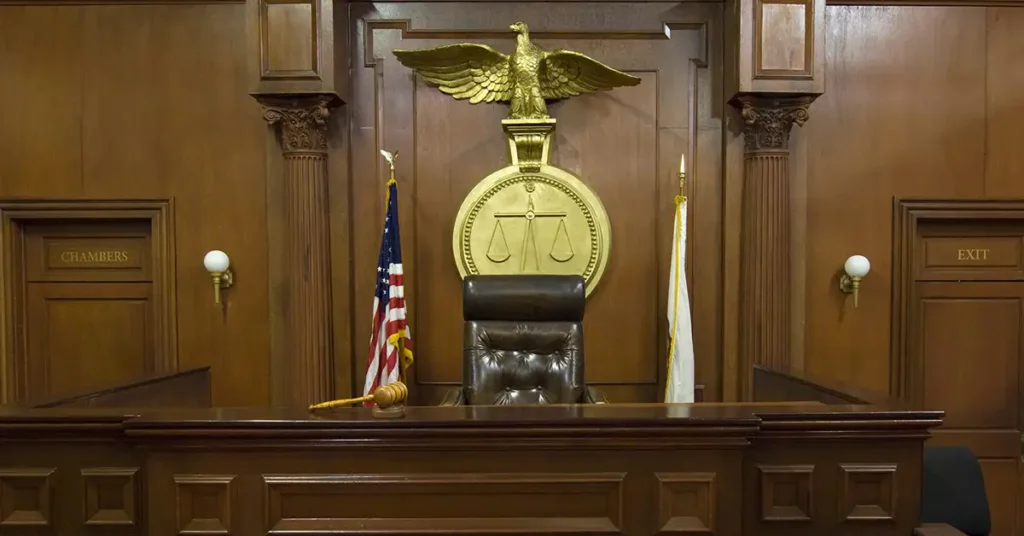
If settlement negotiations don’t produce an acceptable resolution, your case proceeds to an entitlement hearing. Understanding what this involves can help reduce anxiety about legal proceedings.
A vaccine court “hearing” differs substantially from what you might picture:
- No jury: This is a bench trial before a special master who serves as both judge and fact-finder
- Location flexibility: Hearings may occur via video conference, or occasionally at regional federal courthouses near your home
- Focused proceedings: The hearing centers on specific disputed issues—usually causation, but sometimes damages as well
Your Role as a Client
You may be asked to testify about:
- The timeline of your vaccination and when you noticed the first symptom
- How your symptoms developed and progressed
- Your functional limitations and how they affect daily life
- The impact on your work, family responsibilities, and quality of life
Our attorneys thoroughly prepare you for testimony. We review anticipated questions, practice responses, and ensure you understand what to expect. The goal is for you to tell your story clearly and honestly. We handle your legal arguments.
Witnesses and Evidence
Typical witnesses in vaccine injury cases include:
| Witness Type | Purpose |
|---|---|
| Treating physicians | Describe your medical history and clinical observations |
| Retained medical experts | Provide causation opinions supporting your claim |
| Government medical experts | Challenge causation on behalf of various parties |
| Vocational experts | Assess lost earnings and career impact |
| Family members | Describe day-to-day limitations and care needs |
Exhibits include complete medical records, diagnostic imaging, expert reports, supporting medical literature, and economic analyses. Our firm organizes and presents all evidence in accordance with vaccine court rules and strict filing deadlines.
During the hearing your attorney conducts direct and cross-examinations of witnesses, makes legal arguments, and addresses evidentiary objections. Our role is to present your case persuasively while you focus on answering questions honestly and completely.
How and When Will You Learn the Outcome of Your Claim?
After settlement approval or a post-hearing decision, the special master issues a written ruling. This decision addresses both causation (did the vaccine cause your injury?) and compensation (what damages are appropriate?). Decisions become part of the public record, though identifying details are typically limited to protect privacy.
If Your Claim Is Compensated
The final decision or settlement stipulation specifies compensation across several categories. While every case varies based on injury severity and individual circumstances, the vaccine program provides compensation for:
- Pain and suffering (capped at $250,000 under federal law)
- Unreimbursed past medical expenses
- Projected future care costs (surgeries, therapies, medications, home modifications)
- Lost wages and lost earning capacity
- For death cases, up to $250,000 plus medical and funeral expenses
Payments come from the Vaccine Injury Compensation Trust Fund, funded by an excise tax on covered vaccines—not from vaccine company profits or taxpayer general funds. The Department of Treasury processes disbursements, which may be structured as:
- Lump sum payments for immediate needs
- Annuities for ongoing future care
- Combination arrangements tailored to your situation
There’s typically an administrative processing period between the final decision and actual fund disbursement. Our firm monitors this timeline closely and keeps you informed about expected payment dates.
If Your Claim Is Denied
A denial isn’t necessarily the end. The special master’s decision explains the reasoning—whether causation wasn’t established, timing issues existed, or medical evidence was insufficient. This explanation forms the foundation for evaluating whether an appeal makes strategic sense.
What If You Disagree With the Special Master’s Decision?
An adverse decision doesn’t have to be the final word. The vaccine injury compensation program includes appellate rights, though strict time limits apply to preserve them.
The Appeal Path
| Level | Court | Focus |
|---|---|---|
| First | U.S. Court of Federal Claims (Judge Review) | Motion challenging Special Master’s legal or factual errors |
| Second | U.S. Court of Appeals for the Federal Circuit | Review of legal standards and procedural issues |
| Third | U.S. Supreme Court | Rare cases involving significant legal questions |
Our firm carefully reviews unfavorable decisions for:
- Errors in applying legal causation standards
- Misinterpretation of medical evidence or expert testimony
- Procedural problems that affected the outcome
- Inconsistencies with prior vaccine court precedent
We then advise whether an appeal offers a realistic path to reversal. Not every adverse decision warrants appeal. In some cases, the underlying evidence simply is not strong enough, and resources are better focused elsewhere.
Importantly, reasonable attorneys fees for appeals are generally paid separately by the program if the appeal is filed in good faith and with a reasonable basis. Your compensation isn’t reduced by appellate legal costs.
Appellate work in vaccine cases is highly specialized. The U.S. Court of Appeals for the Federal Circuit handles appeals from many different specialized courts, but vaccine case appeals require deep familiarity with VICP precedent, causation frameworks, and the medical complexities unique to this area. A law firm with extensive vaccine experience is best positioned to preserve and argue these issues effectively.
How Long Does the Post-Filing Process Usually Take?
One of the most common questions clients ask is about timeline. The honest answer: it varies significantly based on injury type, medical complexity, and government response. You should prepare for a process measured in months to years, not weeks.
Realistic Timeline Ranges
| Case Type | Typical Duration |
|---|---|
| Straightforward table injuries with government concession | Approximately 2 years |
| Contested causation requiring expert evidence | 12-24 months to hearing |
| Complex neurological or autoimmune cases | 2-5+ years |
| Cases involving appeals | Add 1-2 additional years |
Common Sources of Delay
Several factors extend timelines in vaccine injury cases:
- Incomplete medical records: Tracking down records from multiple providers, specialists, and hospitals takes time, especially when facilities have closed or records are stored off-site
- Expert availability: Qualified medical experts willing to testify in vaccine cases have limited schedules
- Government review backlogs: HHS medical reviews and DOJ responses can take longer during periods of high claim volume
- Crowded hearing calendars: Special Masters manage substantial caseloads, and scheduling full evidentiary hearings requires coordination among multiple parties

How We Manage Timelines
Our firm actively manages cases to prevent unnecessary delay:
- Meeting all court deadlines without exception
- Responding promptly to Special Master orders and government filings
- Proactively scheduling status conferences to keep momentum
- Pushing for resolution when the government’s position seems unreasonable
Throughout the complex process, we provide regular updates so you understand where your claim stands. You’ll never wonder what’s happening—we communicate at every significant milestone and explain what comes next.
Why is Having a Vaccine Injury Lawyer So Important?
The most demanding work in a vaccine injury claim happens after filing. This is where specialized legal experience truly determines outcomes.
Consider what your attorney must handle during the post-filing process:
- Evidence coordination: Systematically gathering, organizing, and presenting hundreds or thousands of pages of medical documentation
- Expert management: Identifying, retaining, and preparing qualified medical experts who can withstand government cross-examination
- Legal briefing: Drafting persuasive legal arguments that apply VICP causation standards to your specific facts
- Client preparation: Helping you prepare for testimony and understand what to expect at hearings
- Settlement negotiation: Evaluating government offers against realistic outcomes and pushing for complete compensation
- Deadline management: Tracking dozens of court deadlines where missed filings can damage your case
- Appeal evaluation: Analyzing adverse decisions and pursuing meritorious appeals
VICP law differs fundamentally from state personal injury litigation. Vaccine lawyers must be admitted to practice before the U.S. Court of Federal Claims The disease control and public health policy considerations embedded in vaccine law, the specialized causation frameworks, and the unique procedural rules all require dedicated expertise.
No Out-of-Pocket Legal Costs
Perhaps most importantly, clients typically pay no out-of-pocket attorneys fees. Under the vaccine program’s structure, reasonable legal costs and fees are paid separately by the program—not deducted from your compensation. This removes the financial barrier that might otherwise prevent injured individuals from obtaining experienced legal representatives.
The stakes in vaccine injury claims are simply too high to navigate alone. If you’ve filed a petition—or are considering filing—contact our experienced attorneys today for a free vaccine injury case evaluation. We’ll guide you through every step of what comes next, from evidence gathering through final resolution.
Frequently Asked Questions
Can I change lawyers after my vaccine injury claim has already been filed?
Yes, you may change legal representation at any time during the VICP process. The court supervises the allocation of fees between prior and new counsel to ensure fairness. If you feel your case isn’t receiving adequate attention, your current attorney isn’t communicating effectively, or you’ve lost confidence in their strategy, switching to new legal professionals is absolutely your right. Many clients come to us mid-case seeking more attentive, specialized representation.
Will pursuing a vaccine injury claim affect my ability to receive future vaccinations or medical care?
Filing a VICP claim does not limit your access to medical treatment or future vaccinations in any way. The program exists specifically to provide compensation for rare adverse reactions while maintaining confidence in the vaccine program overall. Decisions about whether to receive additional vaccines should be made in consultation with your treating medical professionals based on your individual health circumstances—not legal considerations.
Can I pursue other benefits, like Social Security Disability, while my vaccine claim is pending?
Yes, you may seek Social Security Disability Insurance (SSDI), private disability benefits, or workers’ compensation while your vaccine injury claim proceeds. However, these benefits can interact with VICP awards in complex ways—for example, certain benefits may need to be disclosed or could affect damage calculations for lost wages. Our firm helps coordinate these issues to ensure proper accounting and maximize your overall recovery.
What if my injury was caused by a COVID-19 vaccine instead of a VICP-covered vaccine?
Most COVID-19 vaccine injuries currently fall under the Countermeasures Injury Compensation Program (CICP), which operates under different rules than VICP. The CICP has shorter filing deadlines, no pain and suffering compensation, and no provision for attorneys fees. However, there have been discussions about potentially adding COVID-19 vaccines to the vaccine injury table in the future, which could change available options. Our firm can review your specific circumstances to determine whether any VICP coverage or other legal avenues might apply to your situation.


